Protection Matched to the Surface
Our Services
Stone sealing
Stone Cleaning
Stone Grinding
Stone Polishing
Stone honing
Marble Etch Removal
Limestone Restoration
Tile and grout
Get in touch
8310 E Palm Ln Scottsdale, AZ 85257
(480) 233-4356
Mon – Sat 8.00 – 17.00
Sunday 9.00 – 17.00
Stone Sealing in Scottsdale, AZ
Owner-operated by Diego Rivera. Licensed and insured. BBB Accredited Business with an A+ rating. Published Basic Clean and Seal pricing starts at $1.50 per square foot.
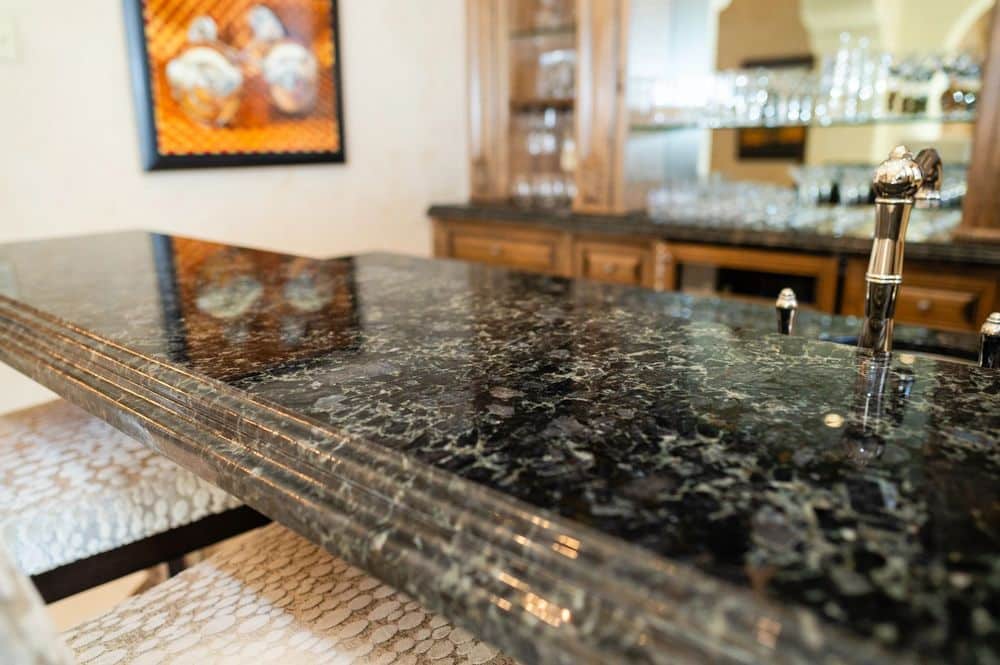
Stone may look strong, but it’s naturally porous. Without proper sealing, your floors, countertops, and showers can absorb stains, water, and dirt; leaving them dull, discolored, or even permanently damaged.
Luxury Stone Care AZ seals and reseals porous stone for homes and businesses in Scottsdale and across the Phoenix Valley. Owner Diego Rivera leads each project, matching the sealer and application method to travertine, marble, limestone, flagstone, slate, pavers, grout, and the surface’s traffic, moisture, and outdoor exposure.
Call today at (480) 233-4356 or request a free in-home estimate.
Why Stone Sealing Matters
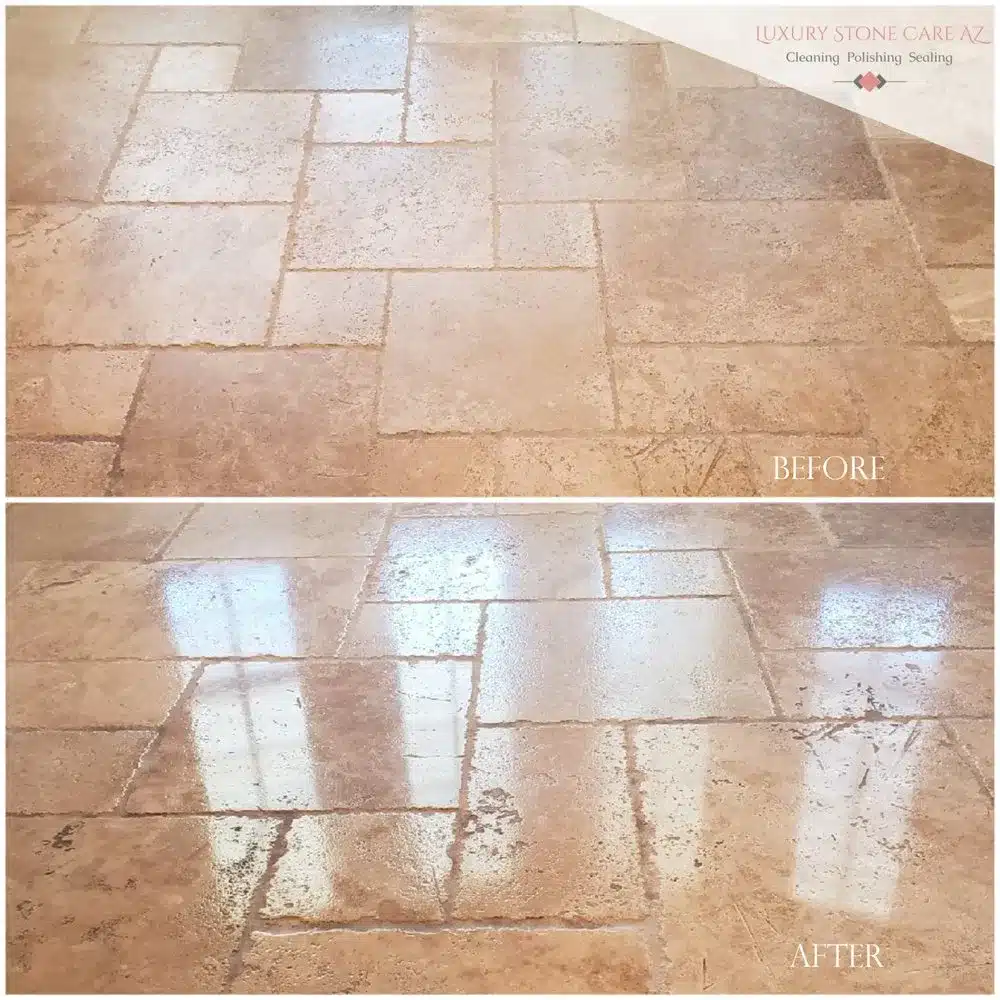
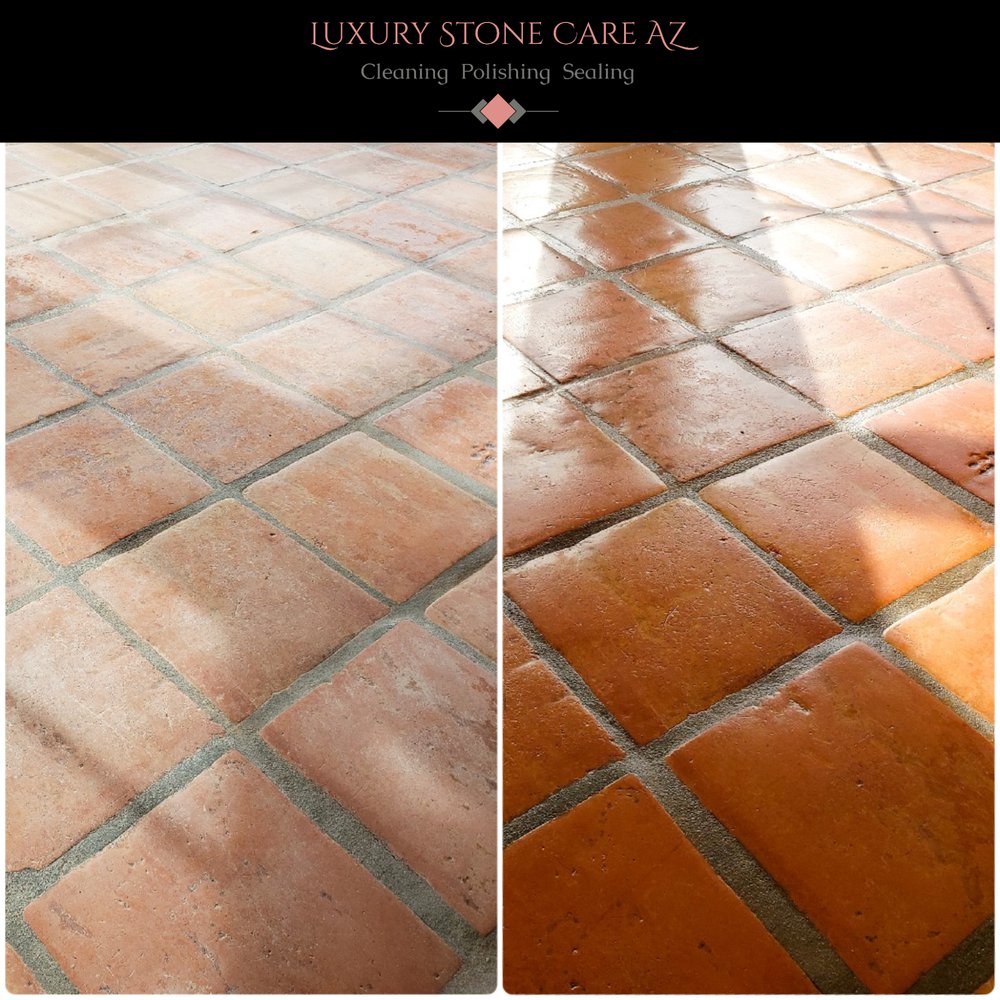
Stone sealing reduces how quickly porous surfaces absorb wine, cooking oil, cosmetics, dirty water, and outdoor soil. In Scottsdale, hard water, dust, and intense sun add exposure. Sealer gives you more time to clean a spill, but it does not make stone waterproof, acid-proof, permanently stain-proof, or maintenance-free.
Travertine, marble, limestone, flagstone, slate, cantera, saltillo, pavers, and cement grout absorb at different rates. Diego evaluates the material, finish, traffic, moisture, UV exposure, and any previous coating before recommending resealing. Dense granite, engineered quartz, and glazed ceramic or porcelain tile are not automatically treated like porous stone.
On Scottsdale and East Valley jobs, we often see homeowners mistake acid etching for sealer failure or cloudy wax and acrylic for ordinary dirt. Those are different problems. Sealing will not remove an etch mark, scratch, old coating, or mineral deposit. Etch marks and scratches call for stone honing or stone polishing, and failed coatings call for stone cleaning and stripping before sealer is applied.
What Stone Sealing Does
- Porosity-Matched Protection: Slows the absorption of wine, coffee, cooking oil, cosmetics, dirty mop water, and pool splash, so a spill can be wiped up before it becomes a stain. Sealed stone is stain-resistant, not stain-proof, and sealing does not prevent etching.
-
The Right Protection for the Surface: Travertine showers, marble vanities, limestone floors, flagstone patios, paver driveways, and grout do not receive one generic product or application plan.
-
Protection Where Exposure Is Highest: Showers, bathroom floors, kitchens, entries, patios, fountains, and driveways are evaluated for moisture, hard water, UV exposure, traffic, and return-to-use requirements.
-
Clear Maintenance Boundaries: We explain how to clean the surface, when to evaluate it for resealing, and why acidic cleaners still damage marble, travertine, and limestone after sealing.
What Sealing Will Not Fix
Sealer addresses absorption and stain resistance. It does not correct acid etching, scratches, lippage, dull finish, hard water buildup, or a failed wax, acrylic, or topical coating. Those conditions require a different service before the stone is ready to seal.
How Our Stone Sealing Process Works
Our stone sealing process covers material identification, absorption evaluation, surface preparation, controlled application, excess removal, final inspection, and care instructions. Diego Rivera leads the assessment because sealer selection and application depend on porosity, finish, moisture, UV exposure, traffic, and any old coating already on the surface.

1. Material Identification and Free Estimate
We identify the stone, tile, grout, paver, or engineered surface, then inspect stains, etching, moisture exposure, traffic wear, repairs, and previous coatings. We explain whether resealing is the correct next step or whether the surface needs separate preparation or correction first.

2. Surface Preparation and Drying
Sealer should not be applied over trapped soil, cleaner residue, moisture, wax, acrylic, or a failed topical coating. We prepare the surface to the agreed scope and allow it to dry as required. If coating removal or finish correction is needed, we price that work separately before sealing begins.

3. Sealer Selection and Controlled Application
We select the sealer system for the material, absorption rate, indoor or outdoor location, wet-area exposure, UV exposure, and traffic. The crew applies the specified coats evenly and removes excess before it dries on the face of the stone, which prevents avoidable streaks, haze, and sticky residue.

4. Final Inspection and Care Instructions
We inspect for even coverage, clean the surface, and review the result under the property’s normal lighting. Before leaving, we explain the required dry and cure time, when the area may return to foot traffic, water, cleaning, or vehicle use, and which stone-safe products protect the work.
Serving Scottsdale & the East & West Valley
Luxury Stone Care AZ provides residential and commercial stone sealing, part of our full stone refinishing service in Scottsdale, AZ, from our home base throughout the East and West Valley. We serve Scottsdale, Paradise Valley, Fountain Hills, Phoenix, Tempe, Mesa, Chandler, Gilbert, and other listed East and West Valley communities, with free on-site estimates scheduled by property and project scope.
Outdoor flagstone, cantera, pavers, patios, walkways, fountains, and driveways face direct sun, dust, and seasonal exposure. Showers, bathroom floors, vanities, and kitchen counters face hard water, repeated moisture, oils, cosmetics, and food spills. We choose the sealing plan around that exposure, not only the stone name.
Which Stone Surfaces Do We Seal?
We seal porous natural stone, grout, pavers, and specialty tile after confirming the material and absorption rate. Common projects include travertine floors and showers, marble counters and vanities, limestone floors, flagstone patios, slate, cantera, saltillo, terrazzo, pavers, and cement grout between ceramic or porcelain tile.
Travertine
Travertine floors, showers, bathroom walls, entries, and patios have open pores and natural voids that collect moisture and soil. We inspect filled areas, grout, traffic, and wet exposure before choosing the resealing plan. When the stone is also dull, etched, or losing its fill, sealing comes after travertine restoration.
Marble and Limestone
Marble and limestone floors, countertops, vanities, and showers need stain resistance without hiding the natural finish. Both are calcium-based and remain vulnerable to acidic cleaners, citrus, wine, and vinegar after sealing.
Flagstone, Slate, and Cantera
Exterior patios, walkways, fountains, and architectural stone face Arizona sun, dust, irrigation, and outdoor soil. We evaluate the stone, joints, drainage, and existing coating before applying sealer.
Saltillo and Pavers
Saltillo tile and concrete pavers vary in absorption and previous treatment. Patios, courtyards, driveways, and pool-adjacent areas require product selection and cure instructions matched to outdoor exposure and vehicle or foot traffic.
Grout Between Ceramic or Porcelain Tile
Cement-based grout is porous even when the surrounding ceramic or porcelain tile is not. We seal the grout or any unglazed tile that requires protection after identifying the material. Glazed tile is not automatically sealed.
Granite, Onyx, Terrazzo, and Dense Surfaces
These surfaces are evaluated individually. Density, finish, resin, previous treatment, and actual absorption determine whether sealing is appropriate. We do not apply sealer simply because a surface is labeled “stone.”
Stone sealing Questions Property Owners Ask
Stone sealing decisions come down to material, porosity, exposure, preparation, and the condition of any old coating. The answers below cover resealing frequency, cost, stain and etch limits, do-it-yourself risks, project timing, and whether sealing is worth the expense. An on-site inspection confirms the final recommendation.
How often should I seal my stone floors or countertops?
Most natural stone should be evaluated for resealing every 1 to 3 years, with showers, entries, commercial floors, and other wet or high-traffic areas trending toward the shorter end. We do not reseal by calendar alone. We inspect absorption, use, cleaning history, outdoor exposure, and the previous product before recommending another application.
Can I seal natural stone myself?
The risk is not only choosing the wrong product. Applying sealer over residue or moisture, using too much, missing dry areas, or failing to remove excess can leave blotches, streaks, haze, or sticky buildup that attracts soil. Professional sealing adds material identification, absorption evaluation, controlled application, and exact return-to-use instructions.
How much does stone sealing cost in Scottsdale, AZ?
Luxury Stone Care AZ offers Basic Clean and Seal pricing at $1.50 to $1.75 per square foot for well-maintained stone. The final price depends on material, square footage, preparation, old coatings, repairs, access, number of applications, and whether the project is indoors or outdoors. Every project starts with a free on-site estimate.
Does stone sealer stop stains, water, and acid etching?
No. Sealer slows absorption and improves stain resistance, which gives you more time to blot a spill. It does not make stone waterproof, stain-proof, or acid-proof. Marble, travertine, and limestone still etch when exposed to acidic cleaners, citrus, wine, or vinegar.
Is professional stone sealing worth it?
Professional sealing is worth it when the surface is porous, correctly prepared, and exposed to spills, moisture, soil, or outdoor conditions. It reduces absorption and protects the value of the existing material without changing the finish by default. It is not a substitute for coating removal, surface correction, repair, or routine stone-safe cleaning.